

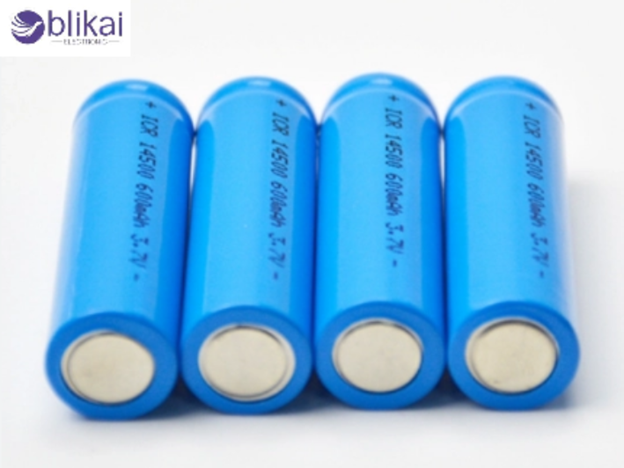
Among the first things that people tend to ask when they come across a 14500 battery is whether it is safe to use. A 14500 is simply a lithium-ion rechargeable cell shaped as a conventional AA battery with the same dimensions. The dimensions are the same, but the electrical characteristics are not; a 14500 draws current at 3.6 to 3.7 volts, more than twice the 1.5 volts of a disposable alkaline AA. The increased voltage then translates into higher energy density, and there is increased responsibility in handling. Since lithium-ion battery chemistry allows energy to be released quickly, there is the obvious worry about overheating, leaking, even explosions and fire in the worst-case scenario. The fact is that 14500 batteries are not, by their nature, a hazardous product; millions of them are in ordinary use around the world, but two factors are of vital importance to safety: the quality of the product and how it is used.



The Importance of Quality and Brand Reputation

The single most important determinant of safety with 14500 batteries is the quality of the cell itself. Reputable brands incorporate built-in safeguards such as protection circuits to prevent overcharging, short circuits, or dangerously high temperatures. Many premium 14500 cells are “protected” batteries, meaning they include a small electronic board that automatically shuts the battery down if unsafe conditions arise. By contrast, cheap knockoff batteries may cut corners in design and manufacturing. These low-grade cells can lack consistency, deliver unstable voltage, and be more prone to failure. For consumers, it’s worth treating a 14500 purchase like any other piece of safety equipment. Just as you wouldn’t buy the cheapest tires for your car, you shouldn’t risk saving a few dollars on a battery that powers your high-performance electronics.
Proper Charging Practices Matter
With even the best 14500 batteries, the practice of charging is the foundation of safe usage. Li-ion batteries can be fraught with problems when misposed to a charge, and selecting the incorrect charger is one of the quickest ways to cause an issue. A lithium-ion specific charger-preferably a smart charger-must be used. These devices can track the charge cycle, discontinue the amount of current flow when the battery is full, and prevent overcharging. Excessive charging or charging too fast, being undercharged, or a charger using incompatible voltages that do not match those of the particular brand can result in swelling, venting, and, in extreme cases, explosion. Lithium-ion batteries should also never be left to charge unattended, overnight. Possibly a fair rule also is this: charge whichever you can most easily watch. Proper charging is not only necessary to be safe but also extends the usable life of the cell to provide hundreds of charging cycles of hassle-free use.
Compatibility and Device Safety Concerns
Another critical safety consideration is device compatibility. Since 14500 batteries have the same size as an AA battery, they may be confused because some people just assume they can freely interchange them. Nevertheless, a device expecting a 1.5V alkaline AA battery will not work with the 3.7V of a 14500 cell. There is a good chance that inserting a 14500 into these devices will not only overload the circuitry, overheating the components, but also destroy the gadget altogether. Some products, such as tactical flashlights, will accept both AA and 14500 cells so that they can offer flexibility in performance. Others, such as children’s toys, remote controls, or smoke detectors, are designed and engineered with just normal AA voltage. So, always read your device’s specifications before inserting a 14500. Treating them as direct AA replacements without considering the voltage difference is one of the most common safety mistakes consumers make.

Storage and Handling Best Practices
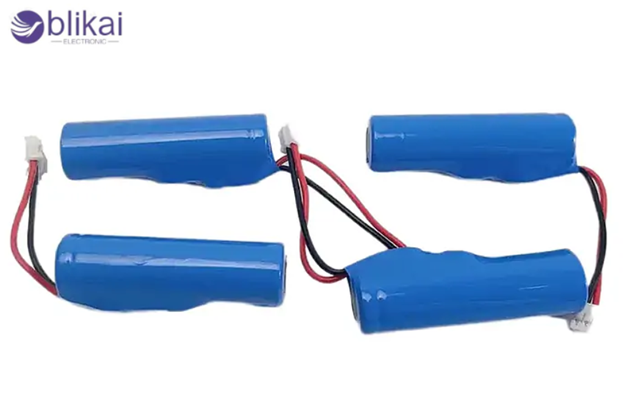
It is important to store and handle the battery safely, just as charging is done safely. Lithium-ion batteries are to be stored in a dry environment at room temperature away from sunlight. Heat causes chemical degradation, decreasing life and increasing risk. It is highly undesirable to carry a loose 14500 in the pocket or bag since contact with other metal items, such as keys, coins, or tools, can make a short circuit. The short circuit may result in flash discharge with the generation of very high heat, which might result in fire. To prevent this, a spate of batteries is used in protection cases that are made of plastic and affordable and remarkably effective. Never use battered cells once The following are other important tips: do not use physically damaged cells, battered cells should be recycled and not reused. All these are minor measures that significantly eliminate accidents in normal operation.
Environmental and Recycling Considerations
Another battery safety consideration that is not usually given a lot of thought is what happens when a 14500 battery reaches its end of life. It is dangerous to dispose of lithium-ion cells in trash, as well as environmentally damaging. Cracked batteries released in landfills can cause cracks, leading to fires in the places where garbage is managed. The most commonly recommended thing to do is to discard them in a registered battery recycling center, where the lithium, among other component materials, is engineered in a secure way into recycling. The majority of establishments in the United States that deal with the sale of home improvement items and electronics will normally accept rechargeable batteries to recycle at no cost. Proper disposal does not only mean that one is keen about the environment; long-term community safety is on the line as well.
Final Thoughts on 14500 Battery Safety
But are 14500 batteries safe? Definitely–when sensibly used, the tiny size powerhouses are trusted by flashlight, diy electronic enthusiasts and common consumers, being that they give high performance in a favorable AA size. What makes them unique can be termed as safety. They cannot be used at all instead of AA batteries, and incorrect use of them can present hazards. By keeping with established brands, sticking to high-tech lithium-ion chargers, checking device compatibility, and following safe storing and disposing of, consumers will also be able to reap the growing benefits of 14500 cells with the same level of security. With due care, they are no more harmful than any other battery you have at home, and in most cases are far more efficient.