

Introduction
Lighting is crucial for setting the right tone, productivity levels, and ambiance in residential and commercial spaces. The intensity of light in our environment significantly impacts both physical comfort and mental well-being. Because different rooms require varying illumination levels throughout the day, static on/off switches are often insufficient. A dimmer switch solves this problem by regulating the effective voltage and electrical energy delivered to a lighting system, allowing users to customize brightness levels at will.
What is a Dimmer Switch?
A dimmer switch is an electronic control device used to adjust the brightness and intensity of lighting fixtures, including LED, CFL, halogen, and incandescent bulbs.





By modifying the electrical waveform or current flowing through the circuit, the dimmer alters the light output. These switches are commonly installed in dining rooms, living spaces, and offices to create custom ambiances while simultaneously lowering overall energy consumption.
How Does a Dimmer Switch Work? (The True Principle)
Unlike early, inefficient dimmers that used variable resistors (rheostats) to turn excess energy into wasted heat, modern electronic dimmer switches operate on a **phase-chopping** principle using solid-state semiconductors.
In an Alternating Current (AC) circuit, electricity flows in a sine wave that alternates directions 50 or 60 times per second. A modern dimmer switch acts as a high-speed electronic shutter. It turns the circuit completely off and back on up to 120 times per second. By chopping out a portion of each AC cycle, the dimmer reduces the total amount of energy reaching the bulb. Because this switching happens too fast for the human eye to detect, the light simply appears dimmer rather than flickering. Less energy delivered directly equates to reduced power consumption and lower electricity bills.
Types of Dimmer Switches
Dimmer switches are categorized both by their internal electrical design (how they control power) and their external physical interface (how the user operates them).
By Internal Technology:
Leading-Edge Dimmers
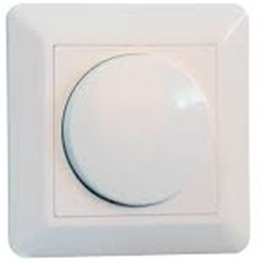

These utilize a semiconductor switch called a **TRIAC** to chop off the front (leading edge) of the AC sine wave. They are highly economical and designed for high-wattage configurations, making them ideal for traditional incandescent and halogen lamps.
Trailing-Edge Dimmers (LED-Ready)
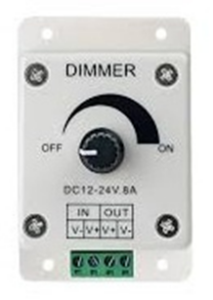

These utilize **MOSFETs** or insulated-gate bipolar transistors (IGBTs) to turn off the trailing edge of the AC sine wave. They provide smooth, quiet dimming for low-wattage loads, making them the industry standard for dimmable LED bulbs and electronic low-voltage transformers.
By Circuit Control Layout:
Single-Pole Dimmers:
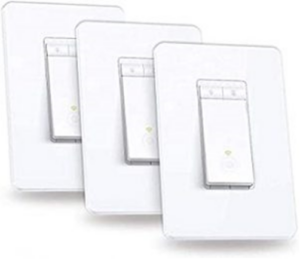

Designed to manage the brightness of a light fixture or a dedicated circuit from a single, isolated wall location.
3-Way or 4-Way Dimmers
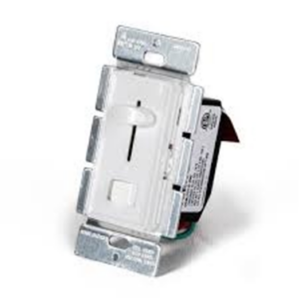

Engineered to control lighting levels from two (3-way) or three or more (4-way) separate physical locations, such as at both ends of a long hallway or staircase.
Plug-In Dimmers
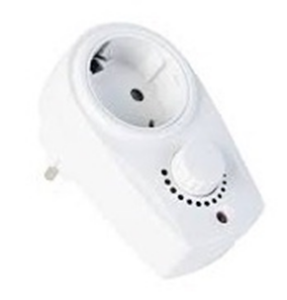

Portable control modules that connect directly between a standard wall outlet and a standalone floor or table lamp, putting dimming controls within easy reach.
By User Interface Style:
Rotary Dimmers
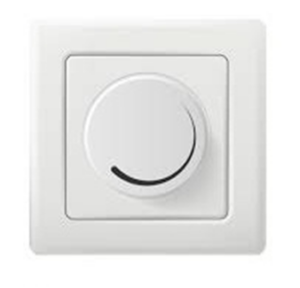

The classic design featuring a circular dial. Turning the knob adjusts the internal timing circuit to alter brightness, and pushing the knob clicks the circuit on or off.
Slide Dimmers
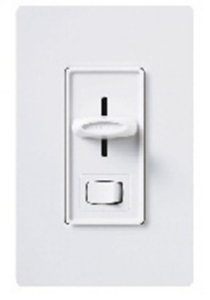

Features a physical slider toggle that moves vertically or horizontally. Moving the slider changes brightness levels smoothly, and many models include an independent on/off button.
Rocker or Toggle Dimmers
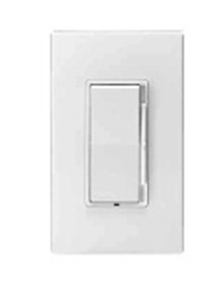
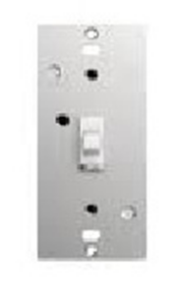


Designed to look identical to standard household light switches, but they feature a small integrated slide bar or digital rocker button along the side to fine-tune the preset light level.
Touch Screen and Tap Dimmers
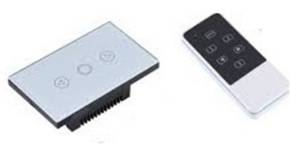
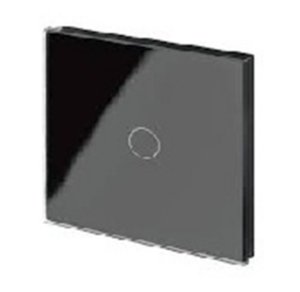


Modern solid-state interfaces that utilize capacitive touchpads. Tapping or sliding a finger along the glass panel sends digital signals to change light levels.
Smart Dimmers


Advanced IoT-enabled modules that feature integrated Wi-Fi or Bluetooth radios. They allow users to automate lighting schedules, set custom timers, and manage dimming profiles using smartphone apps or voice assistants.
Basic Dimmer Switch Circuit Layout
In a standard residential installation, a basic single-pole dimmer switch is wired directly in series with the AC hot line (Live wire) feeding the light fixture. The circuit typically contains a variable potentiometer connected to a firing capacitor, which triggers a bilateral switch (DIAC) to gate the primary TRIAC or MOSFET control component. When the potentiometer knob or slider is adjusted, it shifts the RC time constant of the circuit, delaying or accelerating the point at which the TRIAC turns on during each electrical cycle, thereby dictating light output.
Advantages and Disadvantages
Advantages:
- Energy Conservation: Dimming lights reduces the power drawn by the system, saving up to 25% or more on lighting energy costs.
- Extended Bulb Lifespan: Lowering the thermal stress on incandescent filaments and reducing the drive current to LED drivers extends the overall operating lifespan of bulbs.
- Memory Features: Many modern electronic and smart dimmers automatically save and return to the user’s last preferred brightness setting.
- Enhanced Aesthetics: Provides complete control over interior design tones, elevating the luxury and comfort feel of the living space.
Disadvantages:
- Compatibility Issues: Modern dimmers do not work with every light bulb type. Non-dimmable LEDs or traditional compact fluorescent (CFL) bulbs will hum, buzz, or flicker aggressively if connected to a standard dimmer circuit.
- Wiring Complexity: Upgrading older 3-way or smart dimmers often requires identifying specific traveler or neutral wires, which may necessitate professional installation.
Common Applications
Dimmer switches are highly versatile tools implemented across residential, commercial, and artistic spaces:
- Residential Spaces: Regularly installed in kitchens, bathrooms, bedrooms, and living spaces to smoothly shift from bright task lighting to soft ambient nighttime illumination.
- Commercial Venues: Heavily relied upon inside restaurants, hotel lobbies, lounges, and corporate boardrooms to set specific atmospheric vibes for clients.
- Entertainment Venues: Deployed throughout movie theaters, concert halls, and auditorium stages to smoothly fade down overhead ambient illumination before a presentation or performance begins.