

Introduction
You have probably heard terms like LAN, WAN, and MAN, which all refer to different types of networks. But what exactly is a network? A network is a broad term that refers to a collection of interconnected entities such as computers, devices, or people.
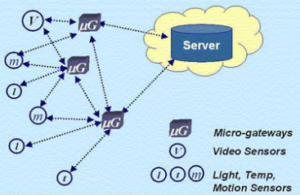

A network allows material or immaterial elements to be distributed among these entities according to predefined rules. Different kinds of networks are widely used in communication systems. Let us understand the significance of a network in embedded systems.
What are Network and Networking?
As embedded systems become more complex, knowledge of multiple disciplines such as data processing, electronics, telecommunications, and networking becomes essential.
Today, the term network is very common in embedded systems. A proper understanding of networking concepts is important because many embedded devices interact with networks. Examples include routers, gateways, remote process controllers, and sensor networks.
Different Types of Communication Networks
Communication networks use different physical transmission media such as electrical signals, light beams, or electromagnetic waves.
1. Telephone Network
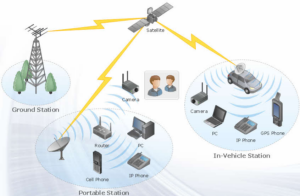

A telephone network is a communication system used for transmitting and receiving voice signals. There are two main types of telephone networks:
- Fixed-line network: Telephones are connected through wires to a central telephone exchange.
- Wireless network: Used in mobile communication systems. It can operate anywhere within its coverage area.
Wireless networks are widely used in embedded applications such as:
- Railway level crossing control
- Fraud alert systems
- Flash flood warning systems
- Billing information systems
2. Computer Network
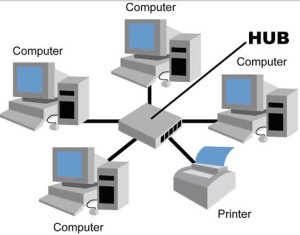

A computer network is a collection of computers connected through physical or wireless links that exchange information in digital form (binary data). Connections between nodes can be established using:
- Cable media
- Wireless media
The Internet is the best-known example of a computer network. Network nodes are devices that initiate, route, or terminate data. Examples include:
- Servers
- Personal computers
Computer networks support many applications, such as:
- Access to the World Wide Web
- File and application sharing
- Email and messaging services
Why Are Networks Important?
A computer processes and manipulates data. Networking is required to exchange this data between devices for communication. A computer network provides several advantages:
- Resource sharing (files, applications, hardware, internet connection)
- Communication (email, live chat, video calls)
- Industrial communication between machines
- Access to shared databases and information
- Support for multiplayer online applications and games


Networks also allow application standardization. Tools that enable multiple people to collaborate over a network are called groupware. Advantages of such systems include:
- Reduced costs through resource sharing
- Standardized applications
- Faster access to information
- Improved communication and organization
Importance of Networks in Embedded Systems
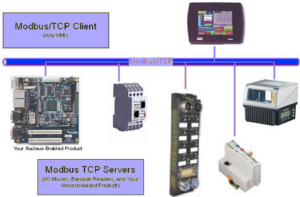

Earlier embedded systems were designed to run on a single device. However, modern embedded systems use various networking options to improve performance, flexibility, and cost efficiency. Two commonly used networks in embedded systems are:
- Bus networks
- Ethernet networks
A bus connects multiple devices and transfers different types of data. Examples include:
- Serial bus
- I²C bus
- CAN bus
Ethernet networks use the TCP/IP protocol for communication. Common embedded networking types include:
- CAN networking
- I²C networking
- Sensor networks
- Serial bus networks
Applications of Networks in Embedded Systems
Many telecommunication systems use embedded networks, from telephone exchanges to mobile phones. Examples of network-based embedded systems:
- Routers and network bridges for data routing
- Advanced HVAC systems using networked thermostats
- Home automation systems controlling lights, climate, security, and audio
Common Elements in a Network
Most networks share the following components:
- Servers: Computers that provide information or services.
- Clients: Devices that access shared resources.
- Connection medium: The physical or wireless link between devices.
- Shared data: Information transmitted across the network.
- Shared peripherals: Devices such as printers connected to the network.
Conclusion
Networks play a crucial role in modern embedded systems. They allow devices to communicate, share data, and operate efficiently in both industrial and consumer applications. As embedded technology continues to evolve, networking knowledge will remain essential for designing advanced and connected systems.