

Introduction
Television has been one of the most popular sources of entertainment since its invention. From black-and-white screens to modern LCD, LED, and plasma displays, television technology has evolved significantly. Today, televisions offer high-definition visuals with large screen sizes and ultra-thin designs. With continuous innovation, the next major advancement in television technology is 3D TV, which provides a more immersive viewing experience by adding depth to images.
History of 3D Technology
3D technology is not entirely new. It was first introduced in 1922 with the film “The Power of Love”. During the 1950s, movie studios experimented with 3D films to attract audiences. However, the technology gained massive popularity after the release of modern 3D movies like Avatar. With the success of 3D films, television manufacturers introduced 3D TVs for home use around 2009.

Working Principle of 3D TV
3D TV works by displaying separate images to each eye. The brain combines these images to create the illusion of depth, a process known as stereoscopy. In real life, our eyes see objects from slightly different angles, and the brain processes these differences to perceive depth. 3D TVs replicate this natural phenomenon by delivering two slightly different images to each eye.
Difference Between 2D and 3D Viewing
In 2D displays, images appear flat because both eyes see the same picture. In contrast, 3D technology provides different perspectives to each eye, creating a sense of depth. However, since the brain works harder to merge these images, prolonged viewing of 3D content may cause eye strain or discomfort.
Types of 3D TVs
3D TVs are mainly divided into two categories:
- Stereoscopic TVs
- Autostereoscopic TVs
Stereoscopic TVs
Stereoscopic TVs require special glasses to view 3D content. These are further divided into the following types:
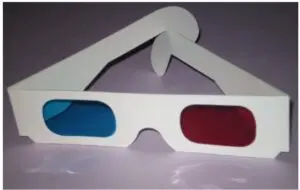
1. Anaglyph 3D Glasses
This is one of the oldest 3D techniques. It uses red and blue (or cyan) colored glasses to separate images for each eye. While it is inexpensive, it reduces image quality and color accuracy.
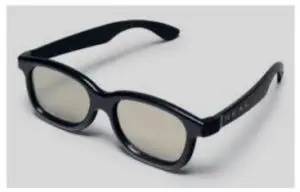
2. Polarized 3D Glasses
This method uses polarized filters to deliver different images to each eye. It provides better image quality than anaglyph glasses and is widely used in movie theaters. However, the brightness of the image may be slightly reduced.
3. Active 3D (Shutter Glasses)
Active 3D glasses use electronic shutters that alternately block each eye in synchronization with the TV display. This allows each eye to see a different image, creating a 3D effect. Although this method provides high-quality images, it is more expensive and may cause eye strain if used for long periods.
Autostereoscopic TVs
Autostereoscopic TVs do not require glasses to view 3D content. These technologies allow users to experience 3D visuals directly.
1. Lenticular Lenses
This method uses an array of tiny lenses placed over the screen to direct different images to each eye, creating a 3D effect without glasses.
2. Parallax Barrier
A parallax barrier uses a layer with slits placed in front of the screen to control the direction of light. This allows each eye to see a different image. It is commonly used in some modern displays.
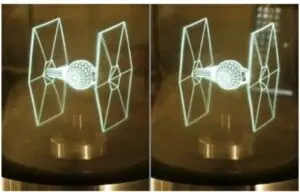
3. Volumetric Displays
Volumetric displays aim to create true 3D images in space using advanced technologies like lasers and rotating mirrors. These displays provide a 360-degree viewing experience but are still under development.
Advantages of 3D TV
- Provides immersive viewing experience
- Enhances realism with depth perception
- Improves gaming and entertainment quality
Disadvantages of 3D TV
- Can cause eye strain and headaches
- Requires special glasses in many cases
- Higher cost compared to standard TVs
- Limited viewing angles in some technologies
Future Developments in 3D Technology
Touchscreen 3D TVs
Researchers are developing interactive 3D TVs that allow users to touch and manipulate objects displayed on the screen. This could revolutionize gaming and virtual environments.
3D Cameras
With advancements in 3D TV technology, 3D cameras are also being developed. These cameras use dual lenses to capture images from different angles, similar to human vision.
Conclusion
3D TV technology represents a major step forward in visual entertainment. By adding depth and realism, it enhances the overall viewing experience. Although there are challenges such as cost and eye strain, ongoing advancements are expected to make 3D technology more accessible and efficient in the future.