

Introduction
A Data Network Analyzer is a test and monitoring tool used to evaluate the performance, reliability, and security of modern data networks. With the increasing complexity of today’s networks, various types of network analyzers and monitors are available to support troubleshooting and analysis.
These instruments are available in different forms. Some are hardware-based test instruments similar to traditional electronic test equipment, while others are software-based tools that can be embedded directly into the network.
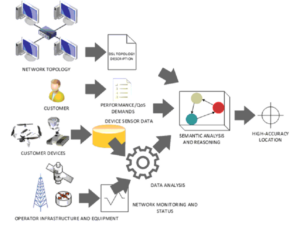
Regardless of their physical format, data network analyzers offer a wide range of capabilities depending on their design and purpose. Due to their diverse functionality, data network analyzers are also referred to as protocol analyzers, packet analyzers, network sniffers, Wi-Fi sniffers, and similar names.
Functions of a Data Network Analyzer
A data network analyzer can perform a wide range of tasks, including the following:
- Investigating and reporting current and recent network activity
- Monitoring bandwidth utilization over time
- Testing anti-malware programmers and detecting potential vulnerabilities
- Monitoring network traffic to detect abnormal traffic levels
- Identifying network failures, usage pattern changes, or cyberattacks
- Detecting anomalous packet characteristics (protocol analysis)
- Determining packet sources and destinations
- Identifying specific data strings within packets when supported
Although data network analyzers are not intended to replace firewalls or antivirus software, they can help detect suspicious activity caused by unauthorized access or abnormal network usage.
Types of Data Network Analyzers
Network analyzers are available in several forms depending on the monitoring and analysis goals. Common types include:
- Ad-hoc network analyzer software such as Wireshark and Savvies Omni peek
- Packet capture tools integrated into network performance monitoring systems like SolarWinds NPM and Paessler PRTG Packet Sniffer
- AI-based network analysis tools used in AIOps platforms for intelligent diagnostics and performance optimization
- Security-focused analyzers designed to detect malware, denial-of-service attacks, and command-and-control threats
- Built-in network analysis features available in routers, switches, firewalls, and IDS/IPS appliances
What Does a Network Analyzer Collect and Measure?
The primary role of a network analyzer is to collect communication data that can be analysed for performance, troubleshooting, and security purposes. Typically, network analyzers gather the following information:
- Source and destination Internet Protocol (IP) addresses
- Protocol type
- Source and destination port numbers
- Packet length
- Packet type
- Timestamps
- Time-to-live (TTL) or hop limit
- Packet payload information (if unencrypted)
Conclusion
Data network analyzers play a critical role in maintaining the performance, reliability, and security of modern communication networks. By providing detailed insights into network traffic and behavior, these tools help administrators detect faults, optimize performance, and identify potential security threats effectively.