Honeypot in Cybersecurity: Types, Working, Advantages & Disadvantages
Introduction A honeypot is a cybersecurity mechanism designed to detect, divert, or counteract unauthorized attempts to access information systems. It...



Introduction A honeypot is a cybersecurity mechanism designed to detect, divert, or counteract unauthorized attempts to access information systems. It...

Introduction Polymers, which are lightweight and flexible, are used as semiconductors in the development of LEDs. A Polymer LED (PLED)...
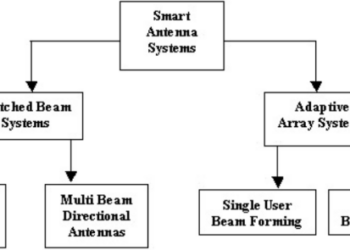
Introduction Smart antennas (also known as adaptive array antennas, digital antenna arrays, multiple antennas, or modern MIMO systems) are antenna...
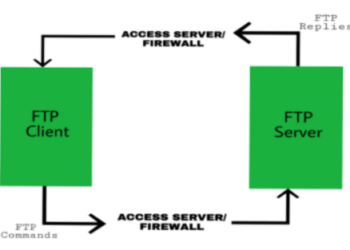
Introduction File Transfer Protocol (FTP) is a standard communication protocol used to transfer files between a client and a server...

By Barley Li, Applications Engineering Manager – Technical Content, APAC, DigiKey Internet of Things (IoT) sensor networks have proven to...
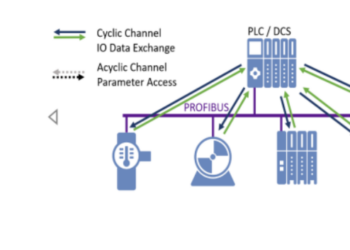
Introduction PROFIBUS (Process Field Bus) is a fieldbus communication standard widely used in industrial automation. Originally promoted by the German...
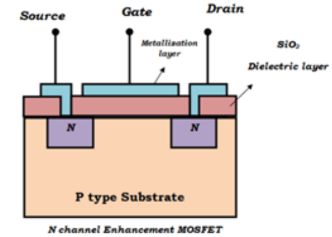
What is MOSFET? MOSFET (Metal Oxide Semiconductor Field Effect Transistor) is a three-terminal, voltage-controlled transistor. The voltage applied to the...

What is an Image Sensor? How Does It Work? An image sensor is a key component of a camera that...

Transforming Industrial PCs and Edge Intelligence Highlights: Qualcomm Dragonwing™ IQ‑X Series for next-generation industrial PCs, combining best-in-class single and multithread...

QSiC Power Modules are tested beyond 1400 V and target battery chargers, photovoltaic inverters, server power supplies and energy storage...

Semiconductor For You is a resource hub for electronics engineers and industrialist. With its blend of
technology features, news and new product information, Semiconductor For You keeps designers and
managers up to date with the fastest moving industry in the world.