
Introduction
To participate in amateur (ham) radio or shortwave listening, most people set up their own station. In the early days of radio, these rooms were called radio shacks, and the name is still widely used today for a space containing amateur radio equipment.
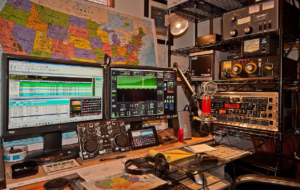
A ham radio shack can be as simple as a small receiver placed in a corner or as complex as a fully equipped room with transmitters, amplifiers, computers, maps, and accessories. The size and setup depend on the operator’s needs, available space, and budget.
Choosing a Location for Your Ham Radio Shack
A ham radio shack does not necessarily require a full room, although many operators prefer one. With some creativity, unused areas of the home can be converted into a functional station. Possible locations include:
- Spare rooms
- Attics or loft spaces
- Closets or cupboards
- Garage spaces
- Garden sheds
Each location has its own advantages and disadvantages. With careful planning, almost any space can become a comfortable and efficient radio shack.
Basic Requirements for a Ham Radio Shack
Regardless of location, every amateur radio station should meet a few essential requirements:
- Adequate mains power supply
- Easy access for antenna feed lines
- Comfortable temperature year-round
- Proper security for equipment
- Convenient and ergonomic operating space
- Room for equipment building or repairs (if needed)
Planning these factors in advance ensures the station is easy and enjoyable to operate.
Electrical Wiring
Careful planning of electrical wiring and lighting is essential when setting up a ham radio shack. Ensure there are enough power outlets for current equipment and future expansion. Multi-way power strips can be mounted under the operating desk to keep cables neat and organized. Leave enough space behind the desk for cable routing.
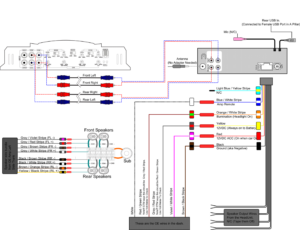
Safety must always come first. Avoid overloading circuits, and follow local electrical regulations. Installing a circuit breaker or residual current device (RCD) is highly recommended. It is also convenient to have a single master switch to turn off all station equipment when not in use.
Lighting
Proper lighting is important for both operating and equipment construction. A single overhead light may create shadows on the operating desk. Recommended lighting options include:
- An adjustable desk or angle lamp
- A strip light mounted under a shelf above the desk
- Bright, even room lighting
Always follow manufacturer instructions when installing lighting fixtures.
Equipment Layout
The arrangement of equipment is important, especially if the station will be used for long operating sessions.
- Place the main transceiver or receiver in the center of the desk.
- Position large equipment such as amplifiers or secondary receivers on either side.
- Keep the microphone on the left side (or right if left-handed).
- Place the Morse key on the opposite side.
- Leave space for a logbook and notepad.
An ergonomic layout reduces fatigue and improves operating efficiency.
Safety Considerations
Safety is a major concern in any amateur radio station. The following precautions are important:
- Use proper mains wiring and circuit protection.
- Install residual current circuit breakers (RCCBs) if possible.
- Keep all wiring neat and in good condition.
- Make the shack child-safe if children may enter.
- Ensure no dangerous voltages are exposed.
- Keep soldering irons in holders and turn them off when not in use.
By following these safety guidelines, the risk of accidents can be minimized, allowing the hobby to be enjoyed safely and comfortably.
Conclusion
A ham radio shack can be simple or complex, depending on the operator’s needs. With proper planning, safe wiring, good lighting, and an ergonomic layout, any space can be turned into an efficient and enjoyable amateur radio station.