
Introduction
In this Binary Numbers Tutorial, we will learn that binary digits, also known as bits, are written in base-2. The binary number system uses only two digits: 0 and 1.
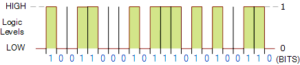

In digital electronics and computers, all data, words, and numbers are represented using these two digits. Because digital circuits operate using two states (ON and OFF), the binary numbering system is ideal for electronic systems.
What is a Binary Number?
The binary numbering system is a base-2 (MOD-2) system.
Binary Base = 2
It uses only:
- 0 → OFF state
- 1 → ON state
Each binary digit is called a bit (Binary Digit).
Examples of binary numbers:
0
1
10
1010
1111
Why Binary is Important in Digital Systems
Different digital systems may use different numbering systems internally:
- Computer memory often uses Hexadecimal.
- Keyboards and user input typically use Decimal.
- Machine code and digital circuits use Binary.
Because binary numbers can become long and difficult to read, they are often converted into Octal or Hexadecimal formats.
Main Number Systems Used in Digital Electronics
1. Decimal Number System
The decimal numbering system:
- Base = 10 (MOD-10)
- Uses digits 0 to 9
Decimal Base = 10
2. Binary Number System
- Base = 2 (MOD-2)
- Uses digits 0 and 1
3. Octal Number System
- Base = 8 (MOD-8)
- Uses digits 0 to 7
- 1 octal digit = 3 binary bits
1 Octal Digit = 3 Binary Bits
4. Hexadecimal Number System
- Base = 16 (MOD-16)
- Uses digits 0–9 and letters A–F
- 1 hex digit = 4 binary bits
1 Hex Digit = 4 Binary Bits
Binary Grouping in Digital Systems
Because long binary numbers are difficult to read, they are grouped:
- 3-bit groups → Octal
- 4-bit groups → Hexadecimal
For example:
1101010111001111
Grouped into 4-bit sets:
1101 0101 1100 1111
This grouping reduces errors and improves readability.
Byte and Word Representation
In digital systems:
- Byte = 8 bits
- Word = 16 bits
Digital Numbering System Comparison Table
| Number System | Base | Byte (8-bit Range) | Word (16-bit Range) |
|---|---|---|---|
| Decimal | 10 | 0 to 255 | 0 to 65,535 |
| Binary | 2 | 00000000 to 11111111 | 0000000000000000 to 1111111111111111 |
| Hexadecimal | 16 | 00 to FF | 0000 to FFFF |
| Octal | 8 | 000 to 377 | 000000 to 177777 |
Why Hexadecimal is Widely Used
The table above shows that the hexadecimal system requires fewer digits to represent the same binary value. For example, a 16-bit word can be written using only four hexadecimal digits. This makes hexadecimal the most commonly used numbering system in:
- Microprocessors
- Digital electronics
- Memory addressing
- Programming
Summary
- The binary number system uses only 0 and 1.
- Each binary digit is called a bit.
- Binary is the foundation of all digital electronics and computers.
- Octal and hexadecimal are compact forms of binary.
- Hexadecimal is the most widely used system for representing large binary numbers.
This concludes the Binary Numbers Tutorial. Understanding binary and its relationship with decimal, octal, and hexadecimal systems is essential for digital electronics, computer architecture, and programming.