
Introduction
Batteries are among the most important components of modern electronic devices. They are used in toys, smartphones, tablets, laptops, electric vehicles (EVs), wearable electronics, and many other portable devices.


Different Types of Batteries
The global battery market is worth over USD 113 billion and continues to grow rapidly due to advancements in electric vehicles, portable electronics, and renewable energy storage systems. Different applications require different types of batteries based on their energy density, rechargeability, lifespan, and cost.
Classification of Batteries
Batteries are broadly classified into two main categories:
- Primary Batteries (Non-Rechargeable)
- Secondary Batteries (Rechargeable)
Primary Batteries
Primary batteries are disposable, non-rechargeable batteries. Once the stored chemical energy is exhausted, these batteries cannot be recharged and must be replaced.
They are commonly used in devices that require low power consumption and long shelf life.
Characteristics of Primary Batteries
- Single-use batteries
- Long shelf life
- Low maintenance
- Ready to use
- Cannot be recharged
Types of Primary Batteries
1. Alkaline Batteries
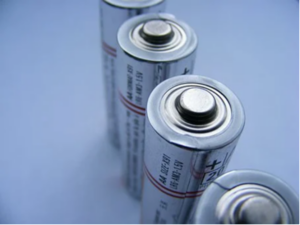
Alkaline Batteries
Alkaline batteries use an alkaline electrolyte such as potassium hydroxide (KOH) instead of an acidic electrolyte. Electrical energy is produced through the chemical reaction between zinc and manganese dioxide.
Advantages of Alkaline Batteries
- Long operating life
- Excellent shelf life
- Compact size
- High efficiency
- Low internal resistance
- Low self-discharge rate
- Minimal leakage
2. Aluminum-Air Batteries
Aluminum-air batteries generate electricity through the reaction between aluminum and oxygen from the atmosphere. These batteries offer very high energy density but are generally designed for single-use applications because the aluminum electrode is consumed during operation.
3. Dry Cell Batteries
Dry cells are among the most commonly used primary batteries and are widely found in toys, flashlights, clocks, and remote controls. They are called dry cells because they use a paste electrolyte rather than a liquid electrolyte.
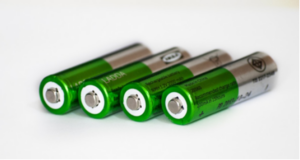
Dry Cells
Although still widely used, many applications have shifted to alkaline batteries because of their higher energy density and longer lifespan.
Other Types of Primary Batteries
- Lithium Battery
- Lithium-Air Battery
- Magnesium Battery
- Mercury Battery
- Nickel Oxyhydroxide Battery
- Silver-Oxide Battery
- Solid-State Battery
- Zinc-Air Battery
- Zinc-Carbon Battery
- Zinc-Chloride Battery
- Water-Activated Battery
- Paper Battery
- Sugar Battery
Battery Energy Density Comparison
| Battery Type | Energy Density (Wh/kg) | Life Cycle | Toxicity |
|---|---|---|---|
| Li-Ion | 126-190 | 500-1000 | Low |
| Ni-Cd | 45-80 | 1000 | High |
| Ni-MH | 100 | 300-500 | Low |
| Li-Polymer | 185 | 300-500 | Low |
| Lead-Acid | 30-50 | 200-300 | High |
| Lithium-Sulfur | 55 | 50-100 | Non-Toxic |
Secondary Batteries
Secondary batteries are rechargeable batteries that can be charged and discharged multiple times. These batteries are widely used in electric vehicles, smartphones, laptops, UPS systems, renewable energy storage systems, and portable electronics.
Advantages of Secondary Batteries
- Rechargeable and reusable
- Cost-effective in the long term
- Suitable for high-power applications
- Reduced environmental impact
Types of Secondary Batteries
1. Lithium-Ion (Li-Ion) Batteries
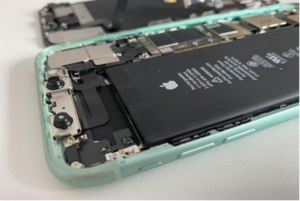
Li-Ion Battery
Lithium-Ion batteries are among the most widely used rechargeable batteries today. During charging and discharging, lithium ions move between the positive and negative electrodes, allowing energy to be stored and released efficiently.
Features of Li-Ion Batteries
- High energy density
- Lightweight
- Low self-discharge
- Long cycle life
- Widely used in smartphones, laptops, and EVs
Energy Density: 126–190 Wh/kg
2. Lithium Polymer (Li-Po) Batteries
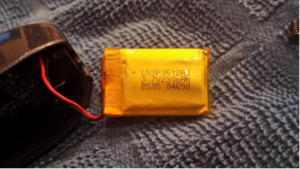
Li-Po Batteries
Lithium Polymer batteries use a polymer gel electrolyte instead of a liquid electrolyte. They are lighter and can be manufactured in various shapes and sizes, making them ideal for compact electronic devices and drones.
Features of Li-Po Batteries
- Very lightweight
- High energy density
- Flexible shape and size
- Commonly used in drones and wearable devices
Energy Density: 185 Wh/kg
3. Nickel Metal Hydride (Ni-MH) Batteries
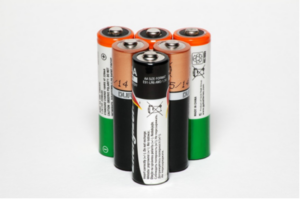
Ni-MH Batteries
Ni-MH batteries use a hydrogen-absorbing alloy instead of cadmium, making them more environmentally friendly than Nickel-Cadmium batteries.
Features of Ni-MH Batteries
- Environmentally safer
- Higher capacity than Ni-Cd batteries
- Rechargeable
- Used in cameras, toys, and hybrid vehicles
Energy Density: 100 Wh/kg
4. Lead-Acid Batteries
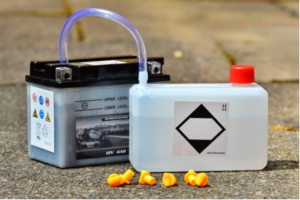
Lead – Acid Batteries
Lead-acid batteries consist of lead electrodes immersed in sulfuric acid electrolyte. They are among the oldest rechargeable battery technologies and remain widely used because of their low cost and reliability.
Applications of Lead-Acid Batteries
- Automobiles
- UPS Systems
- Solar Energy Storage
- Power Stations
Other Types of Secondary Batteries
- Lithium Iron Phosphate (LFP)
- Lithium Nickel Manganese Cobalt (NMC)
- Lithium Nickel Cobalt Aluminum (NCA)
- Lithium Titanate (LTO)
- Lithium-Sulfur Battery
- Sodium-Ion Battery
- Zinc-Ion Battery
- Nickel-Cadmium Battery (Ni-Cd)
- Nickel-Hydrogen Battery
- Nickel-Iron Battery
- Silver-Zinc Battery
- Vanadium Redox Flow Battery
- Zinc-Bromine Battery
- Magnesium-Ion Battery
- Aluminum-Ion Battery
Primary vs Secondary Batteries
| Feature | Primary Battery | Secondary Battery |
|---|---|---|
| Rechargeable | No | Yes |
| Usage Cycle | Single Use | Multiple Uses |
| Cost | Lower Initial Cost | Higher Initial Cost |
| Environmental Impact | Higher Waste Generation | Lower Waste Generation |
| Applications | Remote Controls, Clocks, Toys | EVs, Phones, Laptops, UPS |
Applications of Batteries
- Smartphones and Tablets
- Laptops and Computers
- Electric Vehicles (EVs)
- Drones
- Wearable Electronics
- Remote Controls
- Medical Equipment
- Renewable Energy Storage Systems
- Automotive Starting Systems
- Industrial Backup Power Systems
Conclusion
Batteries are essential components of modern electronic systems and play a critical role in powering portable and renewable energy technologies. They are broadly classified into primary and secondary batteries, each serving specific applications. Rechargeable batteries such as Lithium-Ion, Lithium Polymer, Ni-MH, and Lead-Acid batteries dominate modern electronics and electric vehicles due to their efficiency, reliability, and long service life.