
Introduction
An energy meter is an electrical measuring device used to measure electrical energy consumption in terms of units or kilowatt-hours (kWh). One unit of electrical energy is equal to one kilowatt-hour, which represents the amount of energy consumed by a 1000-watt load operating for one hour. Energy meters detect and display the amount of electrical energy consumed by a user. These meters are mainly classified into two types: electromechanical energy meters and electronic energy meters. In both types, the reading is generally taken from left to right.
Electromechanical Energy Meter
An electromechanical energy meter consists of an aluminum disc placed between two electromagnets. One electromagnet acts as the current coil and is connected to the load, while the other acts as the voltage coil and is connected to the supply voltage.

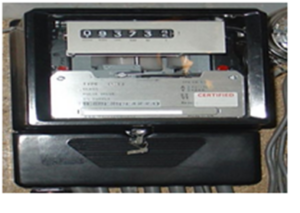
Electromechanical Meter
The interaction between the magnetic fluxes generated by these coils produces a torque on the aluminum disc, causing it to rotate. The speed of rotation is proportional to the electrical energy consumed. A mechanical counter records the number of revolutions made by the disc and displays the amount of electrical energy consumed.
Electronic Energy Meter
Electronic energy meters use current and voltage sensors to measure electrical parameters. These analog signals are converted into digital signals using an Analog-to-Digital Converter (ADC).
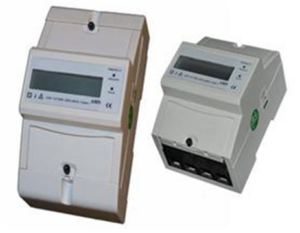
Electronic Meters
The digital signals are then processed by a Digital Signal Processor (DSP) or microcontroller. Finally, the energy consumption is displayed on an LCD or LED display.
Need for a Prepaid Energy Meter System
In traditional energy billing systems, an employee from the electricity distribution company visits consumers periodically to record the energy meter readings. Based on the recorded consumption, bills are generated and issued to consumers.
This process has several disadvantages, including:
- Manual meter reading errors.
- Time-consuming billing procedures.
- Possibility of fraudulent readings.
- Delays in bill generation and collection.
- Difficulty in recovering unpaid electricity bills.
Although electronic meters provide more accurate readings, issues related to bill collection and energy misuse may still occur. Therefore, a prepaid energy metering system provides an effective solution by allowing consumers to pay for electricity before consumption, similar to mobile phone or DTH recharge systems.
What is a Prepaid Energy Meter?
A prepaid energy meter is a smart energy metering system in which consumers purchase electricity units in advance. The purchased energy units are stored within the meter, and the available balance decreases as electricity is consumed. When the prepaid balance reaches zero, the electricity supply is automatically disconnected until the consumer recharges the meter again. This system allows electricity distribution companies to manage energy consumption efficiently while ensuring timely payment collection.
Working Principle of a Prepaid Energy Meter
The working principle of a prepaid energy meter is similar to that of prepaid mobile recharge systems.
- The consumer purchases a recharge card or recharges the meter electronically.
- The purchased energy units are stored in the prepaid meter’s memory.
- The microcontroller continuously measures energy consumption.
- As electrical energy is consumed, the available balance decreases.
- When the balance becomes low, warning notifications may be generated.
- Once the balance reaches zero, the system automatically disconnects the electricity supply.
- Power is restored after the consumer recharges the prepaid meter.
Electricity providers can also implement different tariffs during peak and off-peak hours by adjusting the deduction rate for energy consumption.
Prepaid Energy Meter PE5120
The PE5120 prepaid energy meter is a dual-source smart meter that performs multiple functions. Its major features include:
- Monitoring electrical energy consumption.
- Monitoring water consumption.
- Monitoring gas consumption.
- Automatic disconnection after balance depletion.
- Smart card-based operation.
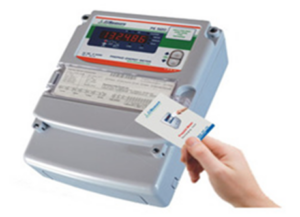
Prepaid Energy Meter PE5120
To activate the meter, the consumer simply places the prepaid card in front of the meter panel for a few seconds. The embedded microprocessor records the purchased units and continuously tracks energy usage. When all purchased units have been consumed, the meter automatically disconnects the power supply.
Advantages of a Prepaid Energy Meter
- Provides highly accurate energy measurement.
- Eliminates manual meter reading errors.
- Reduces billing and administrative costs.
- Prevents electricity bill payment defaults.
- Encourages consumers to conserve electricity.
- Allows real-time monitoring of energy consumption.
- Reduces energy wastage.
- Minimizes electricity theft and fraud.
- Provides better revenue management for utility companies.
- Supports flexible tariff structures.
Disadvantages of a Prepaid Energy Meter
- Higher installation cost compared to conventional meters.
- Requires periodic recharging.
- Power supply is interrupted when the balance expires.
- Requires advanced communication infrastructure.
- Maintenance costs can be higher.
Applications of Prepaid Energy Meters
- Residential buildings.
- Apartment complexes.
- Commercial establishments.
- Shopping malls.
- Office buildings.
- Educational institutions.
- Industrial facilities.
- Employee housing colonies.
- Smart city infrastructure.
- Utility energy management systems.
Conclusion
A prepaid energy meter is an advanced energy management solution that allows consumers to pay for electricity before usage. It eliminates billing errors, reduces electricity theft, improves revenue collection, and encourages efficient energy consumption. Due to its accuracy, automation, and ease of management, prepaid energy metering systems are becoming increasingly popular in residential, commercial, and industrial sectors worldwide.