

Introdcution
In industrial processes, fluid storage, and automated pumping systems, maintaining accurate liquid levels is essential for operational safety and continuous control. A float switch is a contact liquid level sensor designed to detect point levels in a tank or vessel, triggering pumps, solenoids, or high/low alarms when fluid rises or falls past a designated height.
What is a Float Switch?
A float switch (also known as a liquid level sensor) operates on Archimedes’ principle of buoyancy. As liquid levels fluctuate inside a storage tank or sump, a lightweight float rises or sinks on the fluid surface. This physical movement trips an internal switching mechanism—either a magnetic reed contact or a mechanical micro switch—to open or close an electrical circuit.

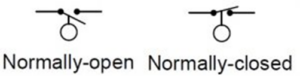
Float switches provide potential-free switching without requiring external power for sensor operation. They are widely deployed across overhead water tanks, wastewater treatment pits, chemical processing vats, beverage lines, and marine bilge systems.
Float Switch Pin Configuration & Wiring
Most float switches feature a Single Pole Double Throw (SPDT) arrangement or configurable Normally Open / Normally Closed (NO/NC) connection leads:
- Common (C / COM): The primary input lead connected to the power supply or control line.
- Normally Closed (NC) / High Level Stop: Connected to COM when the fluid level is low. As liquid rises and lifts the float, this contact opens, automatically turning off fill pumps to prevent overflow.
- Normally Open (NO) / Low Level Start: Disconnected from COM when fluid is low. When the fluid rises to the upper trip threshold, the contact closes, turning on drainage pumps or activating alarms.
Internal Construction and Key Components
Float switches are broadly categorized into magnetic stem switches and tethered mechanical switches. A magnetic stem-type float switch consists of three key components:
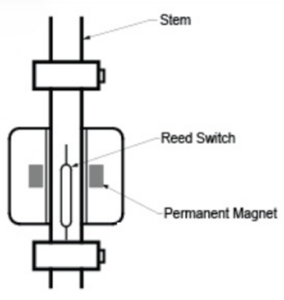
- Stationary Stem / Guide Tube: A hollow, non-magnetic rod
made from stainless steel or polypropylene plastic mounted vertically in the tank. - Hermetically Sealed Reed Switch: A glass-enclosed set of conductive contacts fixed inside the stationary stem, completely isolated from fluid contact.
- Permanent Magnet & Float: A buoyant ring containing an embedded permanent magnet that slides freely up and down along the stem length as liquid levels change.
- Sealed Cable Gland: Waterproof potted leads rated to IP68 standards to ensure reliable long-term submerged operation.
Working Principle: Magnetic vs. Mechanical Float Switches
1. Magnetic (Electromagnetic) Float Switch
In a magnetic float switch, the internal reed contacts remain in their default state (NO or NC) when the liquid level is low. As fluid fills the tank, buoyancy forces the magnetic float ring upward along the stationary guide stem. When the float’s magnet aligns with the internal reed switch, the magnetic field pulls the conductive metal reeds together, completing the electrical circuit instantly.
2. Mechanical (Tethered / Cable) Float Switch
A mechanical float switch consists of a sealed plastic housing suspended by a flexible waterproof cable. Inside the float sits a steel roller ball and a miniature switch lever. As water rises, the float tilts upward. At a critical angle, the heavy steel ball rolls down an internal track, depressing the mechanical switch lever to activate or deactivate connected equipment.
Standard Technical Specifications
| Parameter | Typical Specification Range |
|---|---|
| Operating Voltage | 12V–24V DC (Logic level) or 220V–240V AC (Mains level) |
| Max Current Rating | 0.5A (Logic Reed) to 10A / 16A (Power Duty Micro Switch) |
| Ingress Protection Rating | IP68 (Fully Submersible) |
| Operating Temperature | -30°C to +85°C (Plastic) / up to +120°C (Stainless Steel) |
| Switching Medium | Water, oils, mild acids, industrial chemicals, sewage |
Comparison: Cable Float vs. Magnetic Stem Float Switches
| Feature | Tethered Cable Float Switch | Vertical Magnetic Stem Switch |
|---|---|---|
| Primary Application | Sump pits, sewage tanks, stormwater basins | Clean water tanks, chemical vats, HVAC pans |
| Fluid Tolerance | Handles suspended solids, debris, and thick liquids | Requires clean, non-clogging liquids |
| Mounting Space | Requires wide clearance for float swing radius | Compact, ideal for tight spaces and narrow vessels |
| Level Differential | Adjustable by changing cable tether length | Fixed trip points determined by stem stoppers |
Advantages and Disadvantages
Advantages:
- No Auxiliary Power Required: Operates purely on mechanical buoyancy and passive electrical contacts.
- Immunity to Fluid Properties: Unaffected by dielectric constants, electrical conductivity, foam, or surface boiling.
- High Chemical Resistance: Available in corrosion-resistant materials (316 Stainless Steel, PVDF, Polypropylene) for harsh acids and sewage.
- Reliable Isolation: Sealed contacts prevent spark ignition in hazardous or volatile environments.
Disadvantages:
- Mechanical Fouling Risk: Viscous or sticky fluids can cause floats to stick or jam along guide stems.
- Turbulence Sensitivity: Violent fluid sloshing can cause rapid, unwanted contact switching (requiring electrical debouncing or dampening wells).
- Direct Physical Contact: Must submerge directly into the medium, leading to potential mineral scaling over long usage periods.
Industrial and Commercial Applications
Float switches serve critical liquid monitoring roles across a broad range of sectors:
- Water Distribution & Storage: Automatic start/stop control for pumps filling overhead tanks or draining underground reservoirs.
- Wastewater & Sump Pits: High-water alarm activation and automated sewage pump discharge.
- Home Appliances: Condensate level monitoring in air conditioners, dehumidifiers, and industrial washing machines.
- Food & Beverage Industry: Precise liquid dosing and tank level maintenance in brewing and beverage bottling lines.
- Marine Engineering: Automatic bilge pump activation to clear seawater from ship hulls and engine rooms.