
Introduction
An Embedded Operating System (Embedded OS) is a specialized operating system designed to control and manage the hardware and software of an embedded system. It provides the necessary environment for running applications and controlling the functions of the embedded device.
An embedded system is a combination of hardware and software designed to perform a specific function. The operating system acts as an interface between the hardware and the software, allowing the system to process inputs and produce the required output. The final output can be presented to the user in an understandable form, such as an image, sound, or text.

What is an Embedded Operating System?
An Embedded Operating System is an operating system specifically developed for embedded devices. Unlike general-purpose operating systems, an embedded operating system is designed to perform a specific set of tasks with limited hardware resources. It manages important system resources such as the processor, memory, input devices, output devices, and other hardware components.
Embedded Operating System Block Diagram
The basic block diagram of an embedded operating system consists of input devices, processing units, memory, software, and output devices.
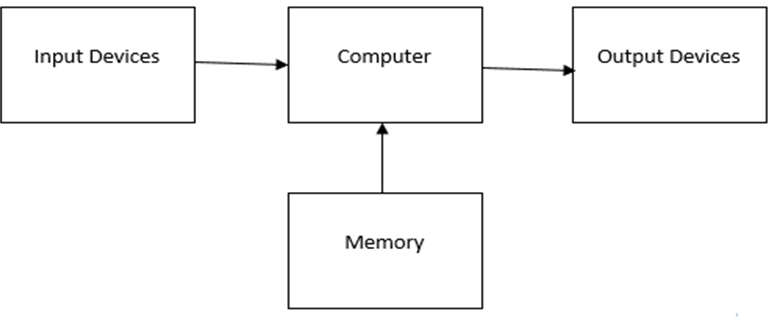
Block Diagram of Embedded Operating System
Input Devices
Input devices are used to send data or commands from the user or the surrounding environment to the embedded system. Examples of input devices include:
- Keyboard
- Mouse
- Sensors
- Switches
The input data is received by the embedded system and processed according to the programmed instructions.
Processing Unit
The processing unit is responsible for processing the input data and executing the instructions provided by the software. Depending on the embedded system, the processing unit may consist of a microcontroller, microprocessor, or another specialized processor. The embedded operating system helps manage the processor and coordinates the execution of different tasks.
Memory
Memory is used to store programs, instructions, and data required by the embedded system. Common memory devices used in embedded systems include:
- Flash memory
- SD cards
- RAM
- ROM
The type and capacity of memory depend on the requirements of the embedded application.
Output Devices
Output devices are used to display or communicate the processed information to the user. Examples of output devices include:
- LCD displays
- Monitors
- LED indicators
- Speakers
The output may be presented in the form of text, images, sound, or visual indicators depending on the application.
How Does an Embedded Operating System Work?
An embedded operating system manages communication between the hardware and software of an embedded device. The general working process can be explained in the following steps:
- Input: Data is received from an input device or sensor.
- Processing: The processor processes the received data according to the programmed instructions.
- Memory: Required programs and data are stored and accessed from memory.
- Operating System: The embedded operating system manages hardware resources and controls the execution of software tasks.
- Output: The processed information is provided through an appropriate output device.
Applications of Embedded Operating Systems
Embedded operating systems are widely used in electronic devices and systems that are designed to perform specific functions. Common applications include:
- Mobile phones
- Washing machines
- Televisions
- Microwave ovens
- Computers
- Laptops
- Satellites
- ATMs
- Automobiles and other vehicles
- Dishwashers
Conclusion
An Embedded Operating System is an important part of an embedded system because it provides an interface between the hardware and software and helps manage system resources. It enables embedded devices to receive input, process data, manage memory, and provide useful output to the user. Due to their specialized functionality and efficient resource management, embedded operating systems are used in a wide range of devices, including household appliances, mobile devices, vehicles, ATMs, satellites, and other electronic systems.