
What is an XNOR Gate? Symbol, Truth Table, Boolean Expression & Applications
Introduction An Exclusive-NOR (XNOR) gate is a digital logic gate formed by combining an Exclusive-OR (XOR) gate with a NOT...




Introduction An Exclusive-NOR (XNOR) gate is a digital logic gate formed by combining an Exclusive-OR (XOR) gate with a NOT...
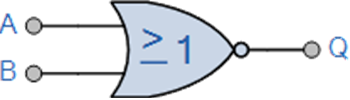
Introduction A NOR gate is a digital logic gate that is formed by combining an OR gate with a NOT...

Introduction An antenna tuner, also known as an Antenna Tuning Unit (ATU) or antenna matching unit, is an important device...
Introduction Radio Frequency Identification (RFID) is a technology used to identify and track objects using radio waves. An RFID system...
Introduction An Embedded Operating System (Embedded OS) is a specialized operating system designed to control and manage the hardware and...
Introduction A NAND gate is one of the most widely used digital logic gates in electronic circuits. The term NAND...

Introduction A processor is an electronic chip or logic circuit that controls and performs processing operations by responding to input...
Introduction In automated machinery, flight control surfaces, and heavy mobile equipment, precise angular positioning and high rotational force are critical....
Introduction In fluid power systems, controlled power transmission relies on transforming rotational mechanical force into fluid energy. A hydraulic pump...
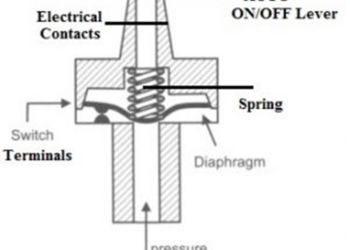
Introduction In fluid power, HVAC, and industrial process control, monitoring and controlling system pressure is essential for operational safety and...










Semiconductor For You is a resource hub for electronics engineers and industrialist. With its blend of
technology features, news and new product information, Semiconductor For You keeps designers and
managers up to date with the fastest moving industry in the world.