
- Proximity sensors are electronic devices that sense the physical presence of an object without making physical contact. The basic functionality of a proximity sensor is the detection of objects without any physical contact between the sensor and the objects. There are numerous applications of a proximity sensor ranging from household applications to vast industrial applications.
- Devices such as limit switches detect an object by contacting it, but Proximity Sensors can detect the presence of the object electrically, without having to touch it.
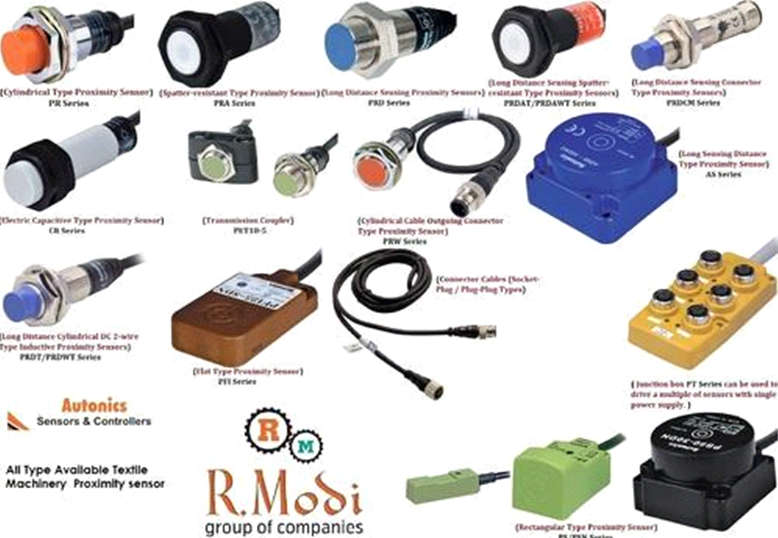
Types of sensors
1.Inductive sensor

ADVERTISEMENT
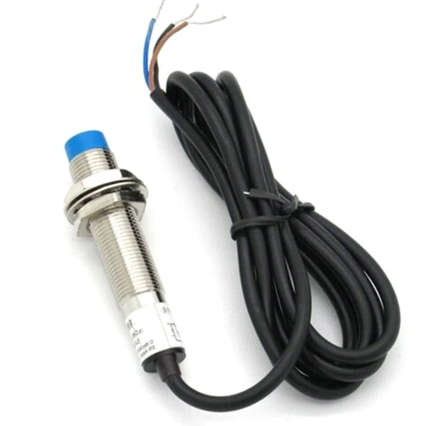
- Inductive proximity sensors are contactless sensors used to only detect metal objects. It’s based on the law of induction, driving a coil with an oscillator once a metallic object approaches it.
- It has two versions.
- 1.Unshielded: Electromagnetic field generated by the coil is unrestricted, allowing for wider and greater sensing distances
- 2.Shielded: Electromagnetic field generated is concentrated in the front, where sides of the sensor coil are covered up
- It comprises 4 main components as seen in the picture; Coil, Oscillator, Schmitt Trigger, and output switching circuit.
Applications of Inductive Sensor
- Machine- tolls, assembly line, automotive industry
- Detection of metal parts in harsh environments
- High-speed moving parts
2.Capacitive Sensor
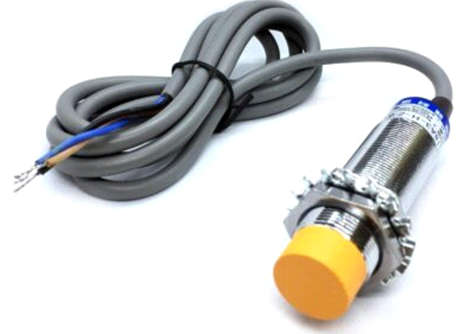
- Capacitive proximity sensors are contactless sensors that detect both metallic and non-metallic objects, including liquid, powders, and granular. It operates by detecting a change in capacitance.
- Similar to inductive sensors, it consists of an oscillator, Schmitt trigger, and output switching circuit. The only difference is it comprises 2 charging plates (1 internal, 1 external) for capacitation.
- Internal plate connected to the oscillator.
- External plate (sensor electrodes) used as the sensing surface.
Applications of Capacitive Sensor
- Final inspection of packaging lines
- Measurements of the filling level of the liquids or granules through the walls of plastic or glass tanks.
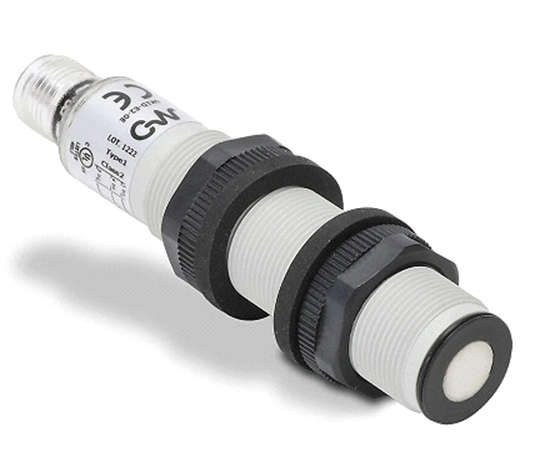
3.Ultrasonic Sensor
- The ultrasonic proximity sensors help in detecting the presence of objects through emitting high-frequency ultrasonic range. It does so through the conversion of electrical energy. Similarly to capacitive sensors, it can detect objects in solid, liquid, granular, or granular as well.
- Probably the easiest among all, it only comprises an ultrasonic transmitter and an ultrasonic receiver.
Applications of Ultrasonic Sensor
- Passage of objects on conveyor: glass bottles, cardboard Packaging.
- Filling level of liquids in a bottle or of granulates in a plastic injection machine.
- Depth of cavity
4.IR Sensor
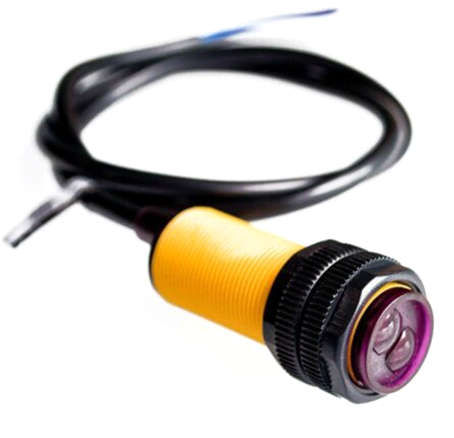
- The Infrared proximity sensor detects the presence of an object by emitting a beam of infrared light. It works similarly to ultrasonic sensors, though instead of using sonic waves, IR is transmitted.
- Infrared proximity sensors consist of an IR LED that emits, and a light detector for detection of reflection. It has an in-built signal processing circuit that determines an optical spot on the PSD.
Applications of IR Sensor
- Distance measurement
- Item counter; when an object cuts the radiating light, it counts as one
- Security systems such as surveillance, burglar alarms, etc.
- Monitoring and controlling applications
5.Optical Sensor
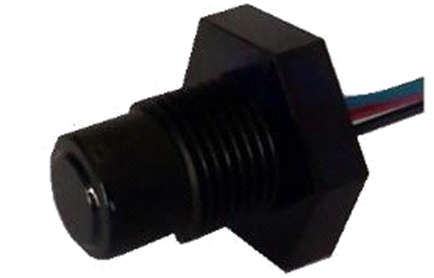
- A complete optical proximity sensor includes a light source and a sensor that detects the light. These sensors detect objects directly in front of them by detecting the sensor’s transmitted light reflected from an object’s surface.
Applications of Optical Sensor
- Object detection on conveyor
- Carton counting
- Product sorting
- Contrast detection
6.Magnetic Sensor
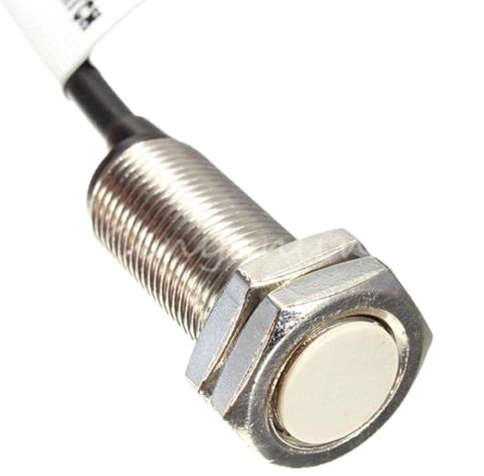
- Magnetic proximity sensors are proximity devices used to detect magnetic objects through their large sensing ranges. A typical one incorporates glass and metal blades, allowing for quick magnetizing! Though it merely senses magnets, it’s still great for its low cost, long-range, and small dimensions.
Applications of Magnetic Sensor
- Object detection