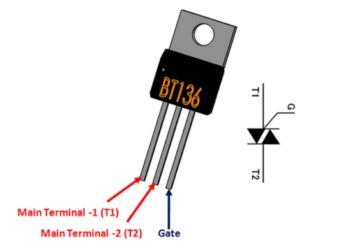
BT136-600E TRIAC: Pin Configuration, Working, Features, and Applications
Introduction to TRIAC A TRIAC (Triode for Alternating Current) is a three-terminal semiconductor device that can conduct current in both...




Introduction to TRIAC A TRIAC (Triode for Alternating Current) is a three-terminal semiconductor device that can conduct current in both...
Introduction The AD623 is a low-power instrumentation amplifier with rail-to-rail output capability. It operates at a very low current of...

Introduction A fingerprint scanner is a biometric device used to identify and authenticate individuals based on their unique fingerprint patterns....

Introduction Television has been one of the most popular sources of entertainment since its invention. From black-and-white screens to modern...

Introduction With the rise of 3D movies such as Avatar, Up, and Alice in Wonderland, the demand for 3D viewing...

Introduction Web technology has advanced significantly, enabling data to be transferred between devices within seconds. With the growing popularity of...
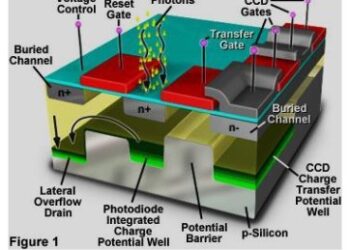
Introduction The Charge Coupled Device (CCD) is an important electronic component used for capturing and processing images. It was invented...
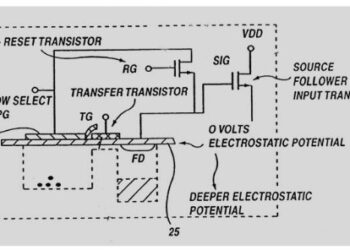
Introduction An Active Pixel Sensor (APS) is an image sensor that consists of an array of pixel sensors, where each...

Introduction Since the early 1970s, video games have provided entertainment for millions of people. With rapid technological advancements, computer graphics...

Introduction WiFi technology is a wireless networking system that allows devices to connect to the internet without using cables or...










Semiconductor For You is a resource hub for electronics engineers and industrialist. With its blend of
technology features, news and new product information, Semiconductor For You keeps designers and
managers up to date with the fastest moving industry in the world.