
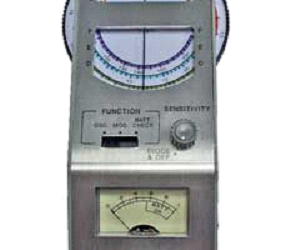
Dip Meter (Grid Dip Oscillator – GDO): Working, Circuit Operation, Advantages and Disadvantages
Introduction to Dip Meter A dip meter, also known as a grid dip oscillator (GDO), is a simple but effective...



Introduction to Dip Meter A dip meter, also known as a grid dip oscillator (GDO), is a simple but effective...
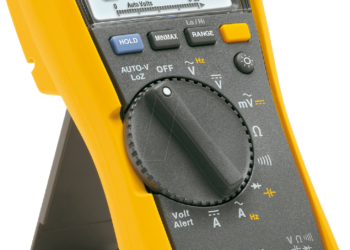
A Digital Multimeter (DMM) is one of the most commonly used pieces of electronic test equipment today. It is practically...
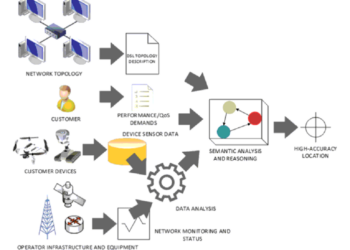
Introduction A Data Network Analyzer is a test and monitoring tool used to evaluate the performance, reliability, and security of...
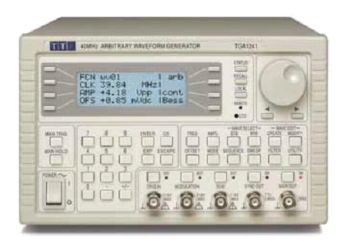
Introduction An Arbitrary Waveform Generator, commonly known as an AWG or ARB, is an advanced electronic test instrument capable of...
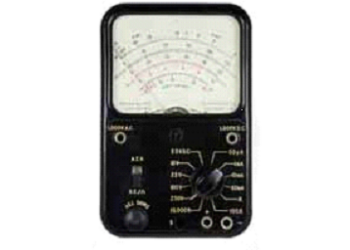
Introduction An analog (analogue) multimeter is a reliable and widely used measuring instrument in the electronics testing industry. It has...
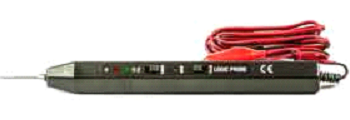
Definition A logic probe is a simple, low-cost digital testing device used to analyze logic levels in digital electronic circuits....
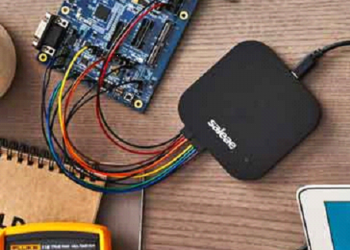
What is a Logic Analyzer? A logic analyzer is a test instrument used to analyze and troubleshoot complex digital or...
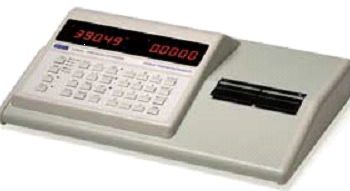
Introduction An LCR meter, also known as an LCR bridge, is a test instrument used to measure the inductance (L),...
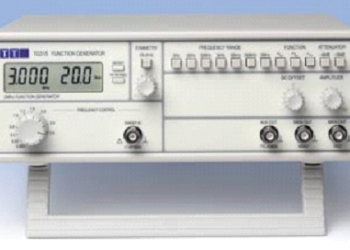
What is a Function Generator? A function generator is a type of signal generator that produces electrical waveforms of common...
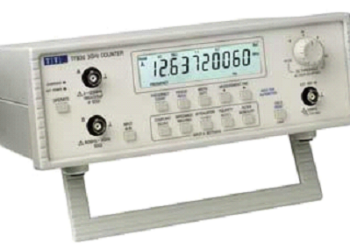
Introduction A frequency counter is an electronic test instrument used to measure the frequency of electrical signals with high accuracy....




Semiconductor For You is a resource hub for electronics engineers and industrialist. With its blend of
technology features, news and new product information, Semiconductor For You keeps designers and
managers up to date with the fastest moving industry in the world.