

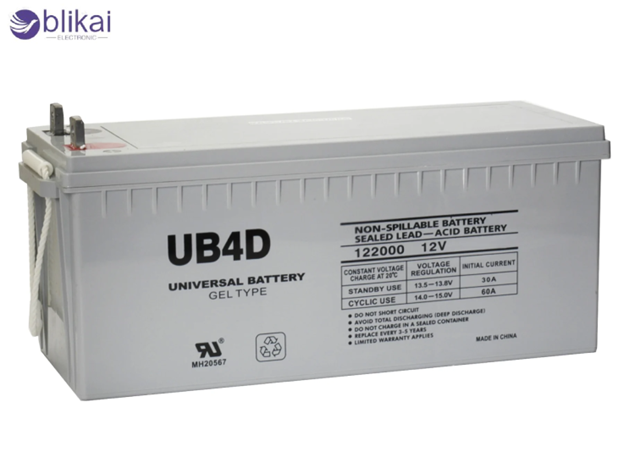
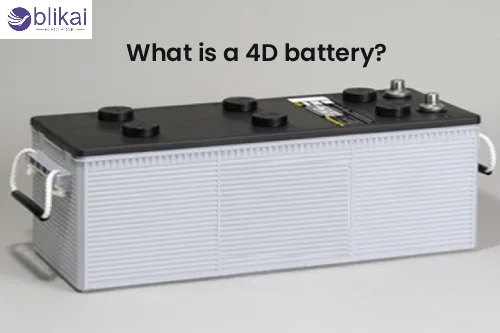
The 4D battery is a heavy-duty or heavy capacity battery having high capacity and is mostly used in trucks, RVs, boats and equipment. Because of the significance of these batteries in helping engines start and keeping many of the processes going, it is important to keep them charged. A 4D Battery that has not been charged properly will lose its capacity as time goes by, be covered in sulfate or even become unsafe as it heats up or overcharges. An important factor in adopting an effective means of charging a 4D battery is the application of a sufficient amount of power in the large vehicles and off-grid power systems.

Preparing Before Charging
A 4D battery cannot be charged as easily as a charger is plugged in. Prior preparation is necessary in order to be safe and efficient. Start by checking and inspecting the battery terminal against corrosion or loose connections, since this may cause poor charging and ignition of sparks. When charging a flooded lead-acid type, the space must be properly ventilated as gases might be evaporated during charging. Another tip that will help you charge your battery easily is to make sure that the charger is suitable for use in relation to the kind and size of battery you have.
Choosing the Right Charger for a 4D Battery
These batteries have massive capacity and thus require a charger that can supply not only the proper voltage but also sufficient charging current as well. Ideally, you may need to use a smart charger, which has different charging modes; these are bulk, absorption, and float. Such phases guarantee that the battery is not overloaded when charging successfully. Undercharging exposes the battery to sulfation and a permanent capacity loss, whereas overcharging may lead to some overheating or water loss.
Step-by-Step Charging Process
Charging a 4D battery requires a simple step-by-step procedure to do it securely. The first is to remove the battery of the vehicle or other equipment to remove the electrical interference. Connect the positive charger clamp to the positive terminal and then the negative terminal. Also, ensure the charger is in the right mode: AGM, lithium, or flooded battery. Peel the charger and start to charge it, and wait until the charger goes through its preset steps. After the battery is fully charged, reverse the procedure of connecting the charger, that is, remove first the negative clamp. This is the order whereby one avoids accidental sparks.
Safety Tips During Charging
Due to this characteristic of large and powerful 4D batteries, charging them in the wrong way has real dangers. Lead-acid batteries should never be charged in an enclosed space since flooding can release hydrogen, a very flammable gas. Gloves and safety glasses can be used as protective devices to avoid acid exposure. Do not leave the battery to charge on a non-smart charger unattended, as this might cause overcharging or heating of the battery. Also, a good idea is to recheck the direction of connections prior to starting. Backward connection may break the charger and the battery in a second. The priority should be safety.
How Long Does It Take to Charge a 4D Battery?
Charging speed is primarily dependent on the capacity of the battery and the amperage rating of the charger. Otherwise stated, a 200Ah 4D battery would take more than 10 hours to get to full charge when attached to a 20-amp charge unit, not including the absorption stage and accessory float stage. A charger of higher output, such as 40 amps, will reduce that time by half, but it must be compatible with the type of battery to avoid damage. Both a too-rapid and a too-slow charge can produce excessive heat, although the former is likely to be inconvenient and the latter unacceptable. A charger in the range of 20-40 amps may be the best choice for most users; it presents the best combination of fast-safe charging.
Maintaining Battery Health After Charging
To extend the life of a 4D battery as much as possible, you should also employ good maintenance. Lead-acid batteries are recommended to be kept fully charged at all times to avoid sulfation; whereas lithium versions are preferred not to be drained completely. The cleaning terminals and making sure a good connection is made will help increase long-term reliability. To boat and RV owners, periodically charging up batteries prior to outings will save them the hassle of unplanned downtime and prolong battery life even more, since batteries are expensive to replace.
Common Mistakes to Avoid
Charging a large battery with a normal automotive charger is also an error, as this may not charge such a battery adequately. Others will interchange old and new batteries in one system so that they are unevenly charged and end up prematurely failing. Failure to charge in well-ventilated areas may prove to be hazardous since the gas will begin to collect. Finally, incorrect sequencing of the disconnection of clamps is capable of producing sparks that are fire-hazardous. Avoiding all these errors can also be as important as knowing how to go about managing them.
Conclusion
Knowing the type of battery you have, using a smart charger and applying safety regulations will help you increase the life and the operability of your battery by a long running order. This means fewer breakdowns to RV enthusiasts, truckers, and boat owners and less downtime and more savings in the long run. It takes just as much time to charge properly as it does to rightfully invest in a sense of reliability and assurance within your equipment and peace of mind when you need it most.