
Introduction
When building a computer network, an Ethernet switch or network switch acts as the central device that connects and manages communication between multiple network devices. Among the various networking devices available today, network switches play a crucial role in forwarding data to its intended destination within a Local Area Network (LAN). Network switches are generally classified into two categories:
- Managed Switches
- Unmanaged Switches
Both types are available in different sizes and port configurations to meet various networking requirements.
What is a Managed Switch?
A Managed Switch is an advanced network switch that provides administrators with the ability to configure, monitor, manage, and optimize network traffic. It enables Ethernet-enabled devices such as computers, printers, servers, and IP cameras to communicate efficiently within a LAN.
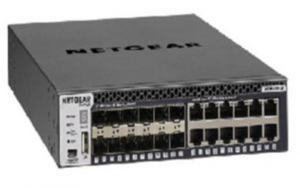
Unlike unmanaged switches, managed switches offer greater control over network operations, allowing administrators to determine how data flows across the network and who can access network resources. These switches provide superior connectivity, enhanced security, improved performance, and better Quality of Service (QoS) compared to unmanaged switches.
Working Principle of a Managed Switch
A managed switch allows users to configure and control every port individually according to network requirements. Most managed switches use the Simple Network Management Protocol (SNMP), which enables network administrators to monitor switch performance and gather information such as:
- Network failures
- Port status
- Traffic throughput
- Bandwidth utilization
- Device connectivity status
Managed switches support Virtual Local Area Networks (VLANs), allowing administrators to segment network traffic and improve security. Ports can be configured as trunk ports to carry traffic from multiple VLANs through a single connection. These switches also support Link Aggregation, which combines multiple physical ports into a single logical connection to increase bandwidth and improve network reliability. Most managed switches include a web-based interface or command-line interface (CLI), enabling remote configuration and monitoring from different locations.
Characteristics of a Managed Switch
- Supports advanced network topologies such as ring, mesh, spanning tree, aggregation, and stacking.
- Provides Quality of Service (QoS) for traffic prioritization.
- Supports Software Defined Networking (SDN) management.
- Offers remote monitoring and network diagnostics.
- Provides access to traffic flow and telemetry data.
- Supports Power over Ethernet (PoE) for powering network devices.
- Includes advanced security mechanisms to protect network resources.
- Improves network reliability, scalability, and redundancy.
Features of a Managed Switch
1. Gigabit Ethernet Ports
Gigabit Ethernet ports provide data transfer speeds of up to 1 Gbps (1000 Mbps), enabling fast and efficient communication between network devices.
2. Power over Ethernet (PoE)
PoE technology allows network devices such as IP cameras, wireless access points, and VoIP phones to receive both power and data through a single Ethernet cable, reducing installation costs and complexity.
3. Port Mirroring
Port mirroring copies incoming and outgoing network traffic from one port to another. This feature is useful for network monitoring, troubleshooting, and security analysis without interrupting normal network operations.
4. High-Speed Data Transfer
Managed switches provide high-speed data transmission and support multiple simultaneous connections without degrading network performance.
5. Security Features
Advanced security mechanisms such as Access Control Lists (ACLs), authentication protocols, and integrated firewall capabilities help protect the network from unauthorized access and cyber threats.
Advantages of Managed Switches
- Reduces network downtime.
- Lowers operational and maintenance costs.
- Enhances network security.
- Supports VLAN, QoS, SNMP, and RSTP features.
- Allows administrators to monitor and manage network traffic efficiently.
- Provides traffic prioritization for critical applications.
- Enables remote configuration and troubleshooting.
- Offers redundancy and fault tolerance features.
- Ideal for medium-sized and large enterprise networks.
- Improves overall network performance and reliability.
Disadvantages of Managed Switches
- Higher cost compared to unmanaged switches.
- More complex configuration process.
- Requires technical knowledge or IT expertise.
- Maintenance and monitoring require additional effort.
- Incorrect configuration can affect network performance.
Applications of Managed Switches
1. Enterprise Networks
Managed switches are widely used in medium and large organizations to control and optimize network traffic while ensuring reliable communication.
2. Data Centers
These switches provide high-speed connectivity, redundancy, and network segmentation in data center environments.
3. Industrial Networks
Industrial automation systems use managed switches to ensure secure and uninterrupted communication between machines and controllers.
4. Smart Home Networks
Managed switches help integrate multiple IoT devices while maintaining network security and performance.
5. Security and Surveillance Systems
They are commonly used to connect IP cameras, access control systems, and monitoring equipment.
6. VLAN-Based Network Segmentation
Managed switches allow administrators to create VLANs that separate network traffic for improved security and performance.
7. Link Aggregation Applications
Using the Link Aggregation Control Protocol (LACP), managed switches can combine multiple network links to increase bandwidth and improve fault tolerance.
8. Network Redundancy Systems
Protocols such as Rapid Spanning Tree Protocol (RSTP) help reduce network downtime by providing alternative paths for data transmission.
Conclusion
A Managed Switch is a powerful networking device that offers advanced management, monitoring, security, and performance optimization features. Unlike unmanaged switches, managed switches provide administrators with complete control over network operations through technologies such as VLANs, QoS, SNMP, PoE, and Link Aggregation. These capabilities make managed switches an ideal choice for enterprise networks, industrial systems, data centers, and modern smart infrastructures where reliability, scalability, and security are essential.
“`