element14 and Fulham announce global distribution partnership
New agreement expands access to advanced LED drivers, emergency lighting, and smart control solutions worldwide Bengaluru, India — 19 January...



New agreement expands access to advanced LED drivers, emergency lighting, and smart control solutions worldwide Bengaluru, India — 19 January...
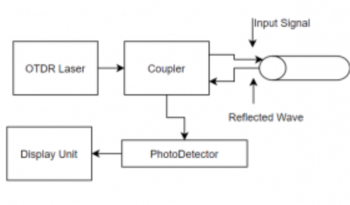
Introduction In the late 1990s, OTDR administrators and the customer community introduced a standardized data technique for storing and analyzing...
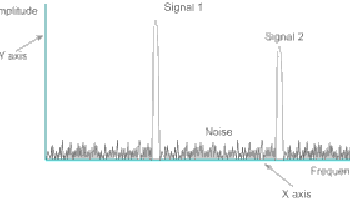
Introduction Spectrum analyzers are important test instruments used to measure frequency-related parameters in electrical and electronic systems. These analyzers are...

Kaynes Semicon has announced a strategic partnership with US-based AI startup SiMa.ai to manufacture and scale high-performance Physical AI solutions...

Foxconn and HCL Group have formally named their semiconductor joint venture India Chip Private Limited, marking a key milestone in...

Seasoned semiconductor industry leader brings decades of operational and strategic expertise to GF’s Board Ganesh Moorthy MALTA, N.Y., January 15,...
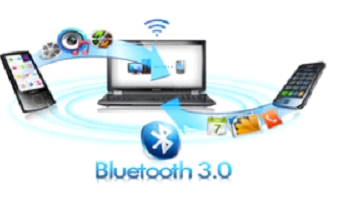
Introduction Bluetooth is a well-established wireless technology used to provide short-range connectivity between devices such as wireless headphones, mobile phones,...

Introduction JTAG (Joint Test Action Group) is a well-known IEEE 1149.1 standard developed in the 1980s to address manufacturing and...
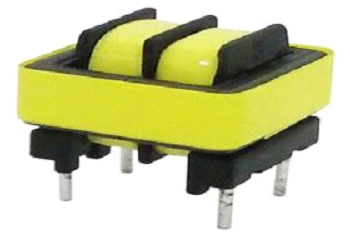
Introduction A pulse transformer is one of the most widely used custom transformers in various industrial and electronic applications. In...
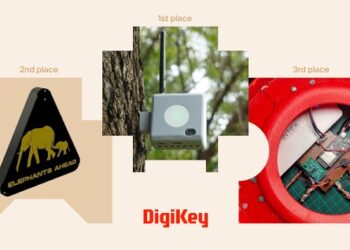
₹6,00,000 in prizes were awarded for the most creative projects BENGALURU, India – DigiKey, the global distribution leader of electronic...

Semiconductor For You is a resource hub for electronics engineers and industrialist. With its blend of
technology features, news and new product information, Semiconductor For You keeps designers and
managers up to date with the fastest moving industry in the world.