
" "
Semiconductor for You
  • Home
  • Semiconductor News
  • Semiconductor Magazine
  • Technology
    • Automotive
    • Consumer Electronics
    • IoT
    • Test and Measurement
    • Lighting
    • Power Management
    • Wireless
    • Personal Electronics
    • Hardware & Software
    • Research
    • Medical Electronics
    • Embedded Design
    • Aerospace & Defence
    • Artificial Intelligence
  • Interview
  • Industries
  • Market
  • Knowledge Base
  • Events
  • Tools
    • Resistor Color Code Calculator
No Result
View All Result
  • Home
  • Semiconductor News
  • Semiconductor Magazine
  • Technology
    • Automotive
    • Consumer Electronics
    • IoT
    • Test and Measurement
    • Lighting
    • Power Management
    • Wireless
    • Personal Electronics
    • Hardware & Software
    • Research
    • Medical Electronics
    • Embedded Design
    • Aerospace & Defence
    • Artificial Intelligence
  • Interview
  • Industries
  • Market
  • Knowledge Base
  • Events
  • Tools
    • Resistor Color Code Calculator
No Result
View All Result
Semiconductor for You
No Result
View All Result
Home Articles

What is relay?

Semiconductor For You by Semiconductor For You
August 9, 2017
in Articles
0

A relay is a electrical switch which is used to open or close a circuit with electromechanical relay or electronically. A relay is a simple electromechanical switch made up of an electromagnet and a set of contacts. Relays are used where it is necessary to control a circuit by a separate low-power signal, or where several circuits must be controlled by one signal. It is generally used to switch lower current. Relay is electric device used to control high power to when turn on or off with using low power its uses a magnet made by solenoid it creates temporary magnetic field that attracts high switch.
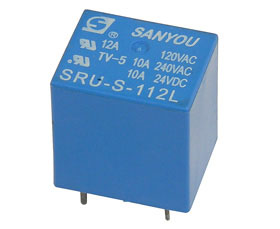

There are two types of relay are,

Electromechanical Relays :

In electromechanical relays , contacts are opened or closed by a magnetic force.

Solid State Relays:

It control power circuits with no moving parts, instead using a semiconductor device to perform switching. With solid-state relays (SSR), there is no contacts and switching is totally electronic.


Tags: relaySemiconductors
Semiconductor For You

Semiconductor For You

Browse by Category

  • Aerospace and Defence
  • AI & Data Center
  • Articles
  • Automotive
  • Communication
  • Consumer-Electronics
  • Design & Manufacturing
  • Hardware & Software
  • Interview
  • IoT
  • Knowledge Base
  • Lighting
  • Market
  • personal-electronics
  • Power Management
  • Research
  • Semiconductor Events
  • Semiconductor News
  • Technology
  • Test and Measurement
  • Uncategorized
  • Wireless
Semiconductor For You

Semiconductor For You is a resource hub for electronics engineers and industrialist. With its blend of
technology features, news and new product information, Semiconductor For You keeps designers and
managers up to date with the fastest moving industry in the world.

Follow Us

Browse by Category

  • Aerospace and Defence
  • AI & Data Center
  • Articles
  • Automotive
  • Communication
  • Consumer-Electronics
  • Design & Manufacturing
  • Hardware & Software
  • Interview
  • IoT
  • Knowledge Base
  • Lighting
  • Market
  • personal-electronics
  • Power Management
  • Research
  • Semiconductor Events
  • Semiconductor News
  • Technology
  • Test and Measurement
  • Uncategorized
  • Wireless

Recent News

What is a Hybrid Stepper Motor? Construction, Working Principle, Advantages & Applications

What is a Hybrid Stepper Motor? Construction, Working Principle, Advantages & Applications

July 5, 2026
What is an Electric Generator? Construction, Working Principle & Applications

What is an Electric Generator? Construction, Working Principle & Applications

July 4, 2026
  • About
  • Advertise
  • Privacy & Policy
  • Contact

© 2026 Semiconductor For You

No Result
View All Result
  • Home
  • Semiconductor News
  • Technology
    • IoT
    • Wireless
    • Power Management
    • Automotive
    • Hardware & Software
  • Market
  • Interview
  • Knowledge Base
  • Tools
    • Resistor Color Code Calculator

© 2026 Semiconductor For You

Advertisement