
Semiconductor for You
  • Home
  • Semiconductor News
  • Semiconductor Magazine
  • Technology
    • Automotive
    • Consumer Electronics
    • IoT
    • Test and Measurement
    • Lighting
    • Power Management
    • Wireless
    • Personal Electronics
    • Hardware & Software
    • Research
    • Medical Electronics
    • Embedded Design
    • Aerospace & Defence
    • Artificial Intelligence
  • Interview
  • Industries
  • Market
  • Knowledge Base
  • Events
  • Tools
    • Resistor Color Code Calculator
No Result
View All Result
  • Home
  • Semiconductor News
  • Semiconductor Magazine
  • Technology
    • Automotive
    • Consumer Electronics
    • IoT
    • Test and Measurement
    • Lighting
    • Power Management
    • Wireless
    • Personal Electronics
    • Hardware & Software
    • Research
    • Medical Electronics
    • Embedded Design
    • Aerospace & Defence
    • Artificial Intelligence
  • Interview
  • Industries
  • Market
  • Knowledge Base
  • Events
  • Tools
    • Resistor Color Code Calculator
No Result
View All Result
Semiconductor for You
No Result
View All Result
Home Knowledge Base

Baritt diode (Barrier Injection Transit Time diode)

Semiconductor For You by Semiconductor For You
June 1, 2021
in Knowledge Base
0
ADVERTISEMENT

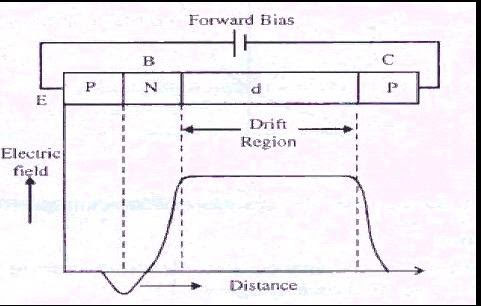
The Barrier Injection Transit Time diode OR BARITT diode, bears many similarities to the more widely used IMPATT diode. The BARITT diode uses injection and transit-time properties of minority carriers to produce a negative resistance at microwave frequencies. The BARITT is similar to the IMPATT, but the main variation is that the BARITT diode uses thermionic emission rather than avalanche multiplication.

This diode is used in the microwave signal generation like the more common IMPATT diode and also this diode is frequently used in burglar alarms and where it can simply create a simple microwave signal with a comparatively low noise level.

ADVERTISEMENT

One of the main advantages of using this kind of emission is that the procedure is less noisy. As a result, the BARITT diode doesn’t experience from the similar noise levels like an IMPATT. Basically the BARITT diode comprises of two diodes, which are placed back to back. Whenever potential is applied across the device, most of the potential drop happens across the reverse biased diode. If the voltage is then enlarged until the ends of the depletion area meet, then a state known as punch through happens.


Tags: diode
Semiconductor For You

Semiconductor For You

Browse by Category

  • Aerospace and Defence
  • AI & Data Center
  • Articles
  • Automation
  • Automotive
  • Communication
  • Consumer-Electronics
  • Design & Manufacturing
  • Hardware & Software
  • Industrial Electronics
  • Interview
  • IoT
  • Knowledge Base
  • Lighting
  • Market
  • personal-electronics
  • Power Management
  • Research
  • Semiconductor Events
  • Semiconductor News
  • Sensors
  • Technology
  • Test and Measurement
  • Uncategorized
  • Wireless
Semiconductor For You

Semiconductor For You is a resource hub for electronics engineers and industrialist. With its blend of
technology features, news and new product information, Semiconductor For You keeps designers and
managers up to date with the fastest moving industry in the world.

Follow Us

Browse by Category

  • Aerospace and Defence
  • AI & Data Center
  • Articles
  • Automation
  • Automotive
  • Communication
  • Consumer-Electronics
  • Design & Manufacturing
  • Hardware & Software
  • Industrial Electronics
  • Interview
  • IoT
  • Knowledge Base
  • Lighting
  • Market
  • personal-electronics
  • Power Management
  • Research
  • Semiconductor Events
  • Semiconductor News
  • Sensors
  • Technology
  • Test and Measurement
  • Uncategorized
  • Wireless

Recent News

EDOM Accelerates Edge AI Deployment with NVIDIA Technologies

EDOM Accelerates Edge AI Deployment with NVIDIA Technologies

July 28, 2026
Keysight Addresses Cross-Domain Physics Issues That Leave Electronic Designs Vulnerable to Late-Stage Failure

Keysight Addresses Cross-Domain Physics Issues That Leave Electronic Designs Vulnerable to Late-Stage Failure

July 27, 2026
  • About
  • Advertise
  • Privacy & Policy
  • Contact

© 2026 Semiconductor For You

No Result
View All Result
  • Home
  • Semiconductor News
  • Technology
    • IoT
    • Wireless
    • Power Management
    • Automotive
    • Hardware & Software
  • Market
  • Interview
  • Knowledge Base
  • Tools
    • Resistor Color Code Calculator

© 2026 Semiconductor For You