What is an Automatic Transfer Switch (ATS)? Working Principle, Types, Advantages & Applications
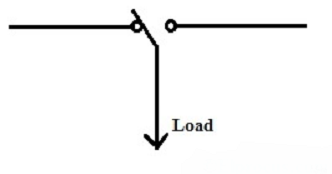
Introduction A transfer switch is an electrical device used to switch an electrical load between two power sources, such as...



Introduction A transfer switch is an electrical device used to switch an electrical load between two power sources, such as...
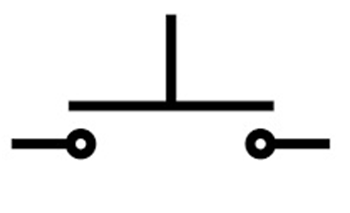
Introduction Switches are generally classified into two categories based on their operating behavior: latching switches and non-latching switches. Various switch...
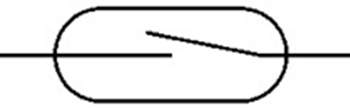
Introduction A Magnetic Switch is an electromechanical switching device that operates using a magnetic field. The concept of the magnetic...
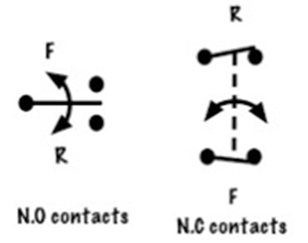
Introduction Speed monitoring is essential in motors, conveyors, elevators, and various industrial machines. The speed of motor-driven equipment can change...
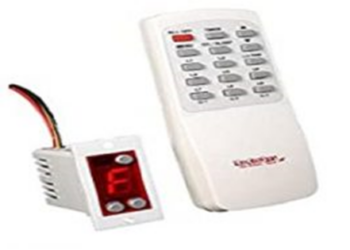
Introduction A remote control switch is an electronic device that allows users to control electrical loads without the need for...
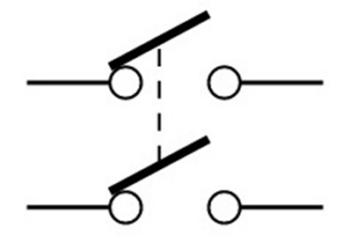
Introduction A switch is an electrical device used to connect or disconnect the conducting path in an electrical circuit. Switches...
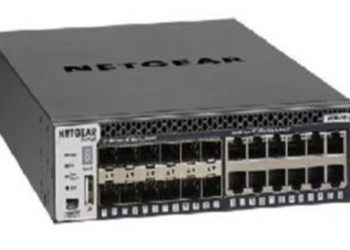
Introduction When building a computer network, an Ethernet switch or network switch acts as the central device that connects and...
Introduction The IC 555 Timer is one of the most popular and widely used integrated circuits in electronics. It is...
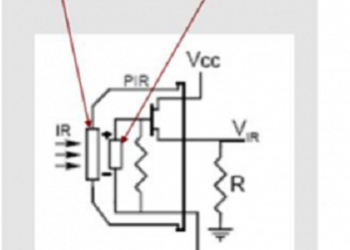
Introduction A PIR (Passive Infrared) Sensor is an electronic device used to detect the presence and movement of humans or...
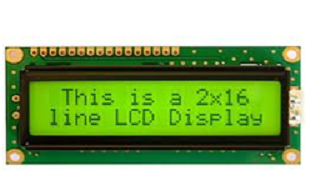
Introduction Today, message boards are widely used in public places, hospitals, retail stores, educational institutions, colleges, railway stations, and airports...










Semiconductor For You is a resource hub for electronics engineers and industrialist. With its blend of
technology features, news and new product information, Semiconductor For You keeps designers and
managers up to date with the fastest moving industry in the world.